Dry Needling: An Effective Method for Pain Relief
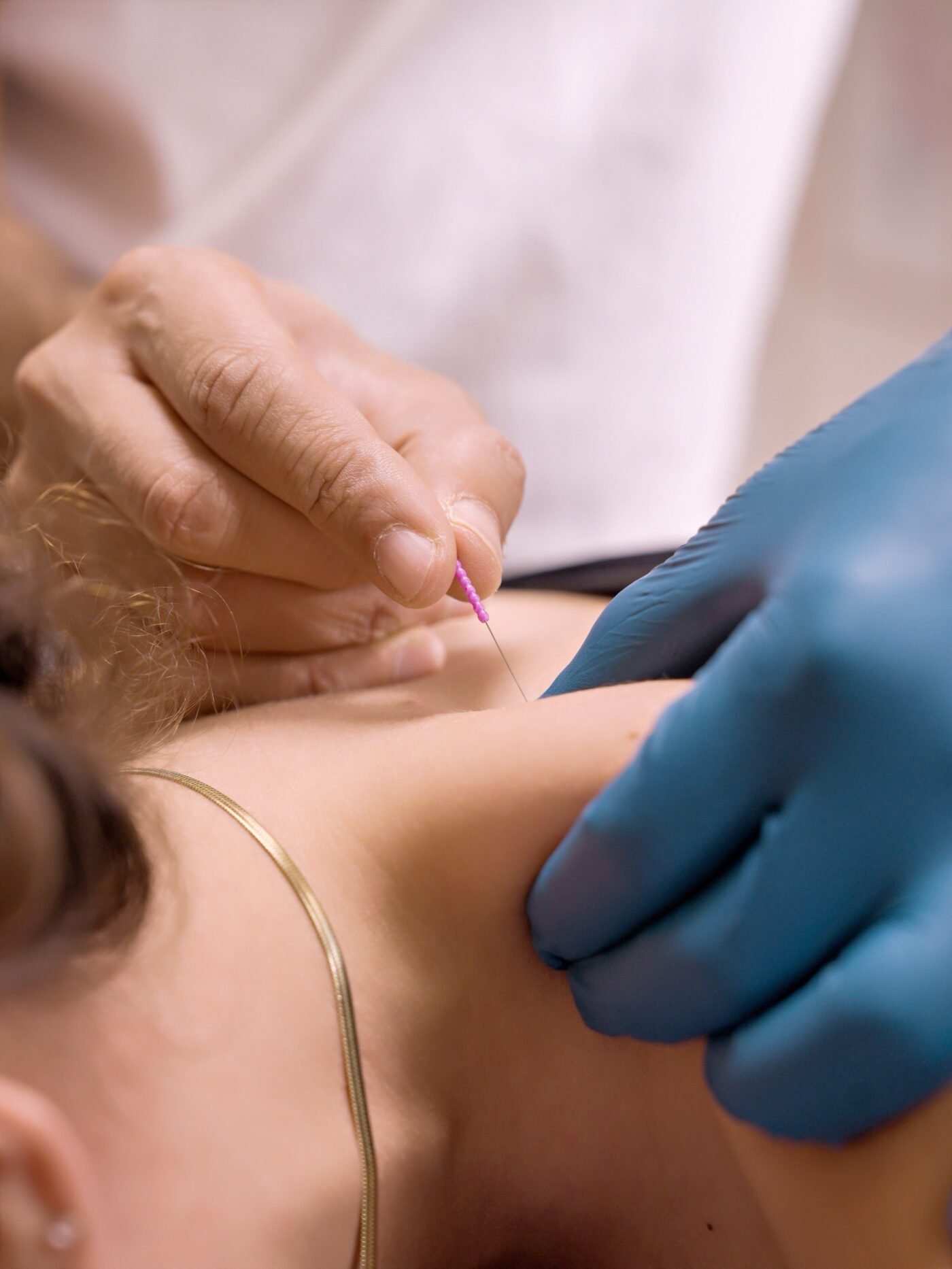
Many patients react with scepticism when they first hear about dry needling. Yet this technique is scientifically grounded and highly effective for a wide range of complaints.
What Is Dry Needling?
Dry needling involves inserting thin, single-use needles into myofascial trigger points — hardened, over-irritable spots within muscle tissue. The word “dry” refers to the fact that no substance is injected.
Dry Needling vs. Acupuncture
- Acupuncture is based on traditional Chinese medicine and energy pathways
- Dry needling uses Western anatomy and neurophysiology
- Dry needling is a scientifically grounded physiotherapy technique, not an alternative medicine practice
How Does It Work?
- A local twitch reflex in the muscle
- Increased blood flow to the area
- Release of anti-inflammatory substances
- Reduction in muscle tension
- Inhibition of pain perception
What Conditions Does It Help?
- Chronic neck and back pain
- Tension headaches
- Shoulder and arm pain
- Hip and knee complaints
- Plantar fasciitis
- Sports-related muscle tightness
Is It Painful?
Patients typically describe a brief, deep pulling or pressing sensation — not sharp pain. Mild muscle soreness for 24–48 hours afterwards is normal.
What Does a Session Look Like?
- Assessment to identify the trigger points
- Needle placement for 5–15 minutes
- Aftercare advice: warmth, gentle movement, hydration
FAQ
How many sessions? 2–5 for acute issues; 6–9 for chronic conditions.
Covered by insurance? Yes — with a doctor’s referral, dry needling is billed through KVG and supplementary insurance in Switzerland.
Contraindications? Needle phobia, blood clotting disorders, pregnancy (certain points) or local skin inflammation.
Contact us: info@newmotion-physio.ch | +41 78 301 80 81
Gertrudstrasse 12, 8400 Winterthur